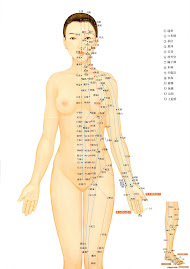
Reflective zone of midial foot
 --- Traditional Chinese Medicine--Huangdi neijing
With acupuncture or massage, traditional Chinese medicine consider that treatment is accomplished by stimulating reflective zones of the external body.
 Reflective zone of midial foot
  History of Traditional Chinese Medicine-Huangdi Neijing Su Wen
 Chinese Traditional Medicine- the reflective zone of Right foot-Chinese
 Chinese Traditional Medicine Guide- the reflective zone of left foot-Chinese (Huangdi Neijing)
 History of Chinese Traditional Medicine-Reflective zone of both foot
The history of Traditional Chinese Medicine (TCM) dated back to 2000-3000 years ago. Its rich history has many influences on Asia, including Japan, Korea, etc. Traditional Chinese Medicine (TCM) has a unique system to diagnose and cure illness. The TCM approach is fundamentally different from that of Western medicine. In TCM, the understanding of the human body is based on the holistic understanding of the universe, and the treatment of illness is based primarily on that human being is a system and part of universe.
There are fundamental differences in TCM and the western medical system. Western Medicine is the best solution for acute conditions. However, for treatment of chronic conditions, most people prefer green and safe Traditional Chinese Medicine (TCM). TCM is an integral part of Chinese culture. It has made great contributions to the prosperity of China. Today both of TCM and western medicine are being used in providing medical and health services in China.
The attitude towards traditional Chinese medicine and pharmacy across the world is changing. A large number of specialists in TCM have been invited by countries in Asia, Europe, America and others to give lectures on TCM or to conduct activities in TCM therapy and scientific research.
(Huangdi Neijing Su Wen and Huangdi Neijing Ling Su)